How Appalachian Community Capital is strengthening financial resilience through shared infrastructure
Mastercard Strive ―
Appalachian Community Capital is focused on making the small business ecosystem in Appalachia work better through investing in partners, networks, and new tools for CDFIs.
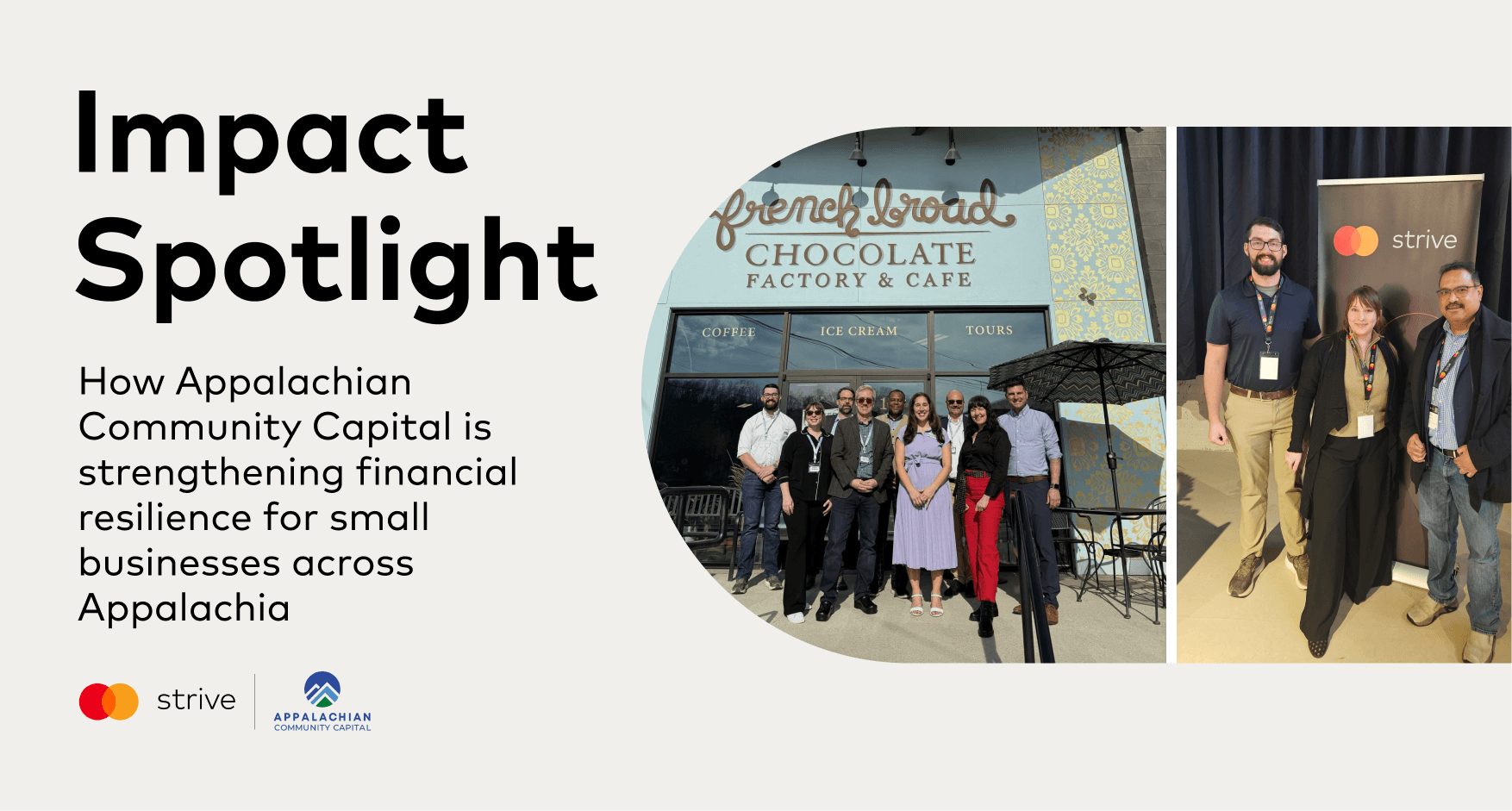
Small businesses across Appalachia face a range of challenges — from hiring talent and managing cash flow to navigating shifts in local economies. Access to affordable capital is high on this list, but just as often, the challenge is navigating different loan programs, grant opportunities, technical assistance providers, and application processes that don’t always connect.
That gap plays out in real ways — business owners moving between lenders, grant programs and support organizations trying to piece together what they qualify for, while lenders are often working without a clear view of who is coming through the door or what they need.
Appalachian Community Capital focuses on making that system work better. Rather than lending directly, it supports a network of community lenders across the region — helping them access capital, share data, and more effectively connect small businesses to the right resources at the right time, including through its Data Hub, which brings together information and opportunities across lenders and the broader market to improve how businesses are matched to funding.
We sat down with Daniel Wallace, President & CEO of Appalachian Community Capital, to understand what’s changing, what’s working, and what still needs to shift to make access to capital more consistent for small businesses across Appalachia.
What does building financial resilience actually look like for small businesses in Appalachia today?
It means having access to a full range of support, from grants and flexible lending to technical assistance and education, so small businesses in rural Appalachian communities can withstand disruption and keep moving forward. In order for small businesses to thrive, they also depend on an economic ecosystem where capital investment stays rooted in the communities it's meant to support. When it does, it creates the conditions for long-term stability, generational wealth building, and regional durability.
What was this work designed to change?
This work was designed to expand access to capital for small businesses in Appalachian communities through the Appalachian Community Capital Data Hub, a platform for financial institutions such as CDFIs, and their economic development partners. The Data Hub fills a gap in knowledge and understanding, by allowing capital providers to map and respond to individual and collective business needs.
With support from Mastercard Strive USA, the Data Hub enables CDFIs and partners to better identify, match, and support small businesses, while reducing fragmentation and creating more consistent, equitable pathways to funding.
What shifted as a result?
What shifted was not just capacity, but clarity and coordination at scale. Following Hurricane Helene, the Appalachian Community Capital (ACC) Data Hub supported more than $55M in grants reaching over 2,100 small businesses, while the system itself moved from fragmented, manual processes to a more coordinated, data-driven approach. Improvements in intake, matching, and shared data made it easier to understand demand in real time, enabling CDFIs to make faster decisions, better align capital with real needs, and build stronger, more qualified pipelines.
In moments of disruption, like natural disasters, how has your platform helped move capital where it’s needed most?
In moments of disruption, speed and coordination become critical. During Hurricane Helene, the Appalachian Community Capital Data Hub made it possible to maintain real-time visibility into small business needs and respond more quickly as those needs evolved. By bringing together data from across lenders and partners, the system helped direct the allocation of resources, ensuring that they reached the businesses most impacted without the delays and disconnects that often slow response efforts.
How are you helping CDFIs reach and support small business owners who are often overlooked by traditional systems?
We help CDFIs work more effectively and efficiently by providing a means for businesses to identify the specific kinds of assistance they need, and connect to the right lenders and programs. On the other side, CDFIs receive more qualified, pre-screened opportunities, making it easier to prioritize high-potential matches and move more quickly into decision-making. For businesses that aren’t yet ready for capital, the system also helps route them to technical assistance, so they can build toward being finance-ready rather than falling out of the process entirely.
What did you learn that others in the field should pay attention to?
One of the biggest takeaways is that building a more effective system requires more than better tools — it requires coordination, trust, and alignment across the organizations involved. Technology can support that, but it has to be designed around how CDFIs and small businesses actually operate, not the other way around.
The work also reinforced the importance of place-based approaches, where capital and decision-making stay rooted in the communities they are meant to serve. When that is combined with the right network of partners, it creates a system that can move faster, match resources more effectively, and respond more directly to real-world needs.
What needs to change to ensure small businesses in rural and overlooked communities have more consistent access to capital — and what comes next?
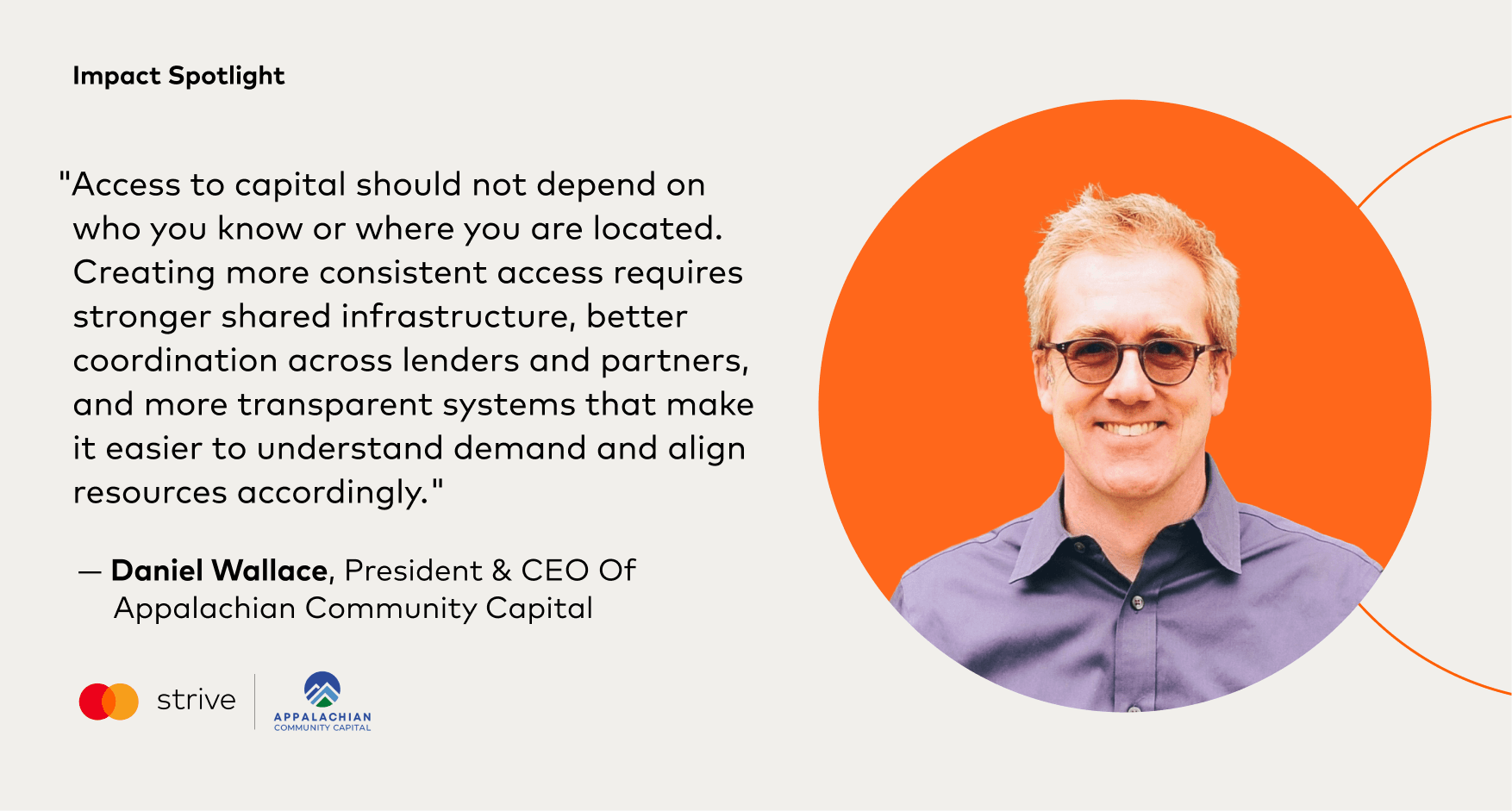
Access to capital should not depend on who you know or where you are located. Creating more consistent access requires stronger shared infrastructure, better coordination across lenders and partners, and more transparent systems that make it easier to understand demand and align resources accordingly.
The next phase of this work is focused on continuing to build and scale that infrastructure — expanding the reach of the Data Hub across more CDFIs and deepening how it integrates into existing workflows, so capital can be identified, matched, and deployed more effectively as needs evolve over time.
Related articles
How Next Street is fixing a fragmented support system for U.S. small businesses
For many small businesses, figuring out where to turn for funding, coaching, and guidance can feel like a job in itself. Next Street is building products that help them find and access this support.

How Nest is helping grow the U.S. craft economy
Nest helps small-scale makers strengthen the business side of their work, connecting them to training, mentorship, and new market opportunities.
How Low Income Investment Fund is strengthening the “workforce behind the workforce”
Family child care providers make it possible for parents to work and for local economies to function. But these small businesses, despite their importance, are often underserved.

How Right to Start is expanding entrepreneurial opportunity for all
Entrepreneurship is widely supported, but rarely treated as a civic priority. Right to Start is working to change that through grassroots organizing, policy engagement, and entrepreneur storytelling.
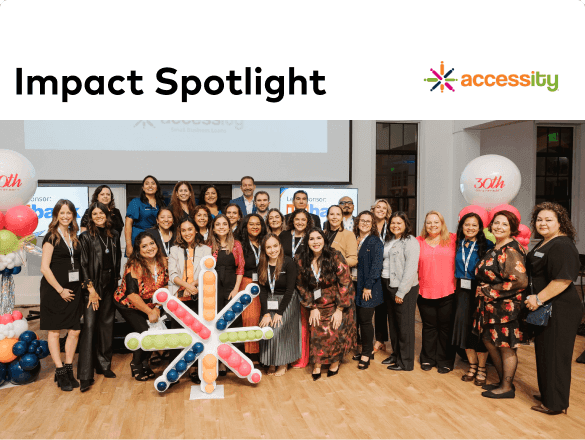
Accessity: Using new technologies to build better pathways to capital for small businesses
What started as an internal push for efficiency using AI has turned into a bigger shift in how Accessity’s team works.

Supporting innovations shaping the next chapter in community finance
For small businesses, access to capital often determines what’s possible and what’s not — from expanding a storefront, to upgrading online ordering systems, or making payroll through a slow season.

The network effect: Inside the CDFI networks and associations powering U.S. small business growth
CDFI networks, such as an industry associations or coalitions, function as conveners that capture and reflect the collective voice of members and help their members in many different ways.
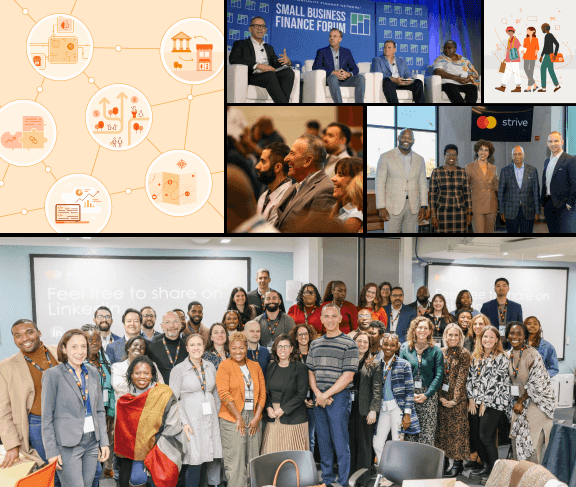
Digging deeper roots in a time of change: Looking back on our work supporting small businesses
The key question that emerged from our work in 2025 was: How do we help small business support organizations not only weather these shifts, but turn them into opportunity?
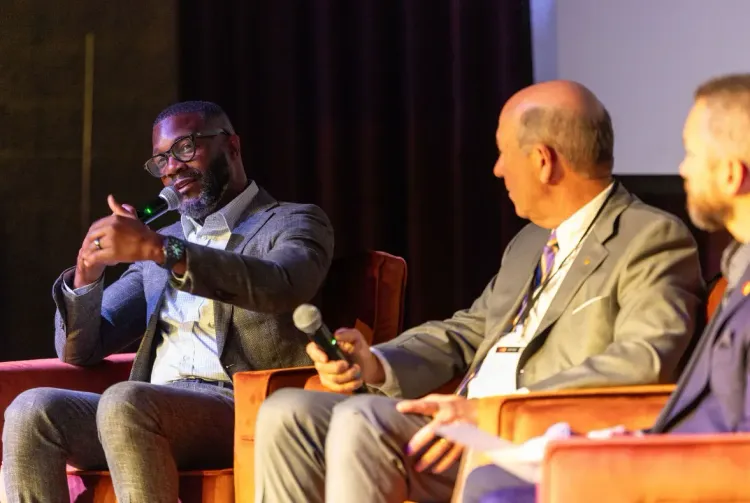
Bridging opportunities, coordinating action: How Alabama is investing in its small business…
How Alabama leaders are coordinating partnerships, data, and technology to strengthen the small business ecosystem and expand access to resources statewide.

Collaboration as infrastructure: Lessons on strengthening partnerships in the U.S. small business support system
Explore how collaboration, shared technology, and network partnerships are strengthening the U.S. small business ecosystem and expanding access to capital at scale.

Scaling impact by standardizing data: A conversation on how better analytics and collaboration can unlock more investment for community lending
Having more consistent definitions and standards about community lending data is one of the six shifts identified in our survey of small business support leaders.
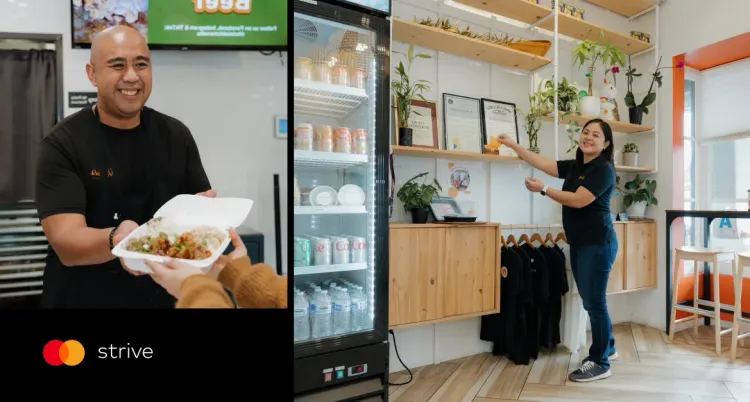
High tech, high touch: How community lenders use digital tools to stay personal with small businesses
By Araba Sapara-Grant Maria worked in the flower district in Manhattan for many years, but her dream of opening her own mobile flower shop seemed untenable.
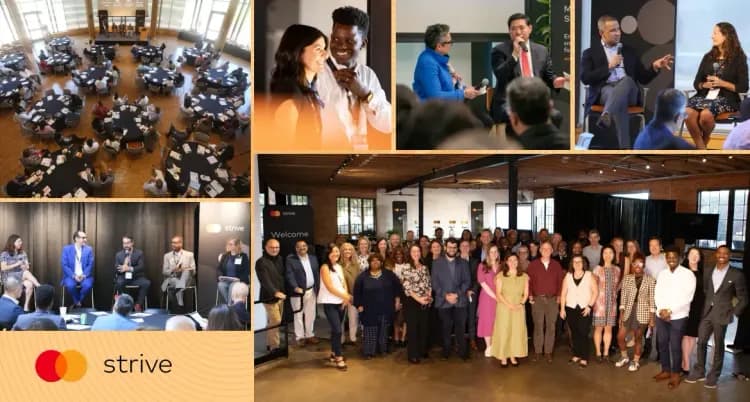
Built for all, built to last: Six shifts that could change the U.S. small business landscape for generations of entrepreneurs
Six key shifts—from flexible capital to stronger partnerships—could transform the U.S. small business ecosystem and improve long-term entrepreneur success.

Funding creativity, fueling small business growth: Bridging the capital gap in the creative economy
The creative economy is one of the worlds fastest growing sectors, representing $2 trillion in economic activity globally and potentially comprising 10% of GDP by 2030.

Improving small business outcomes through mental health: A profile on Our Village United’s holistic model
How Our Village United’s ELEVATE program combines wellness, funding, and mentorship to help underserved entrepreneurs grow resilient, scalable small businesses.

Embracing an abundance mindset in Kansas: How new collaborations are creating a stronger small business ecosystem
The fifth Mastercard Strive USA Summit recently took place in Lawrence, Kansas in partnership with the Kansas Department of Commerce.

From theory to practice to scale: Mastercard Strive USA’s impact on small businesses in year 2
Mastercard Strive USA significantly grew its portfolio, impact, and voice in Year 2 and set the stage for strengthening small business ecosystems further in Year 3.

Challenging assumptions: How a distinct operations model sets CDFIs apart in a vast financial ecosystem
Discover how Community Development Financial Institutions (CDFIs) provide mission-driven financing, expand access to capital, and help underserved entrepreneurs grow sustainable businesses in the U.S.

Why helping small businesses succeed should be a philanthropic priority
To create an equitable economy, grantmakers should address the financial and training hurdles that cause so many entrepreneurs to fail.

Getting impact capital off the sidelines: how CNote aligns investor interests with community financial institutions — and vice versa
A two-year Mastercard Strive USA grant has paved the way for investment platform CNote to strengthen their organizational capacity.

The unique partnership at the center of California’s new loan match program
A unique and first-time partnership between two mission-driven organizations, Next Street and Community Reinvestment Fund USA.

How local government can help more small businesses succeed: A fireside chat between St. Louis Mayor Tishaura O. Jones and Salah Goss of Mastercard
This conversation on the role of local government in helping small businesses succeed took place at the Mastercard Strive USA Summit in St. Louis, Missouri, between Tishaura O.
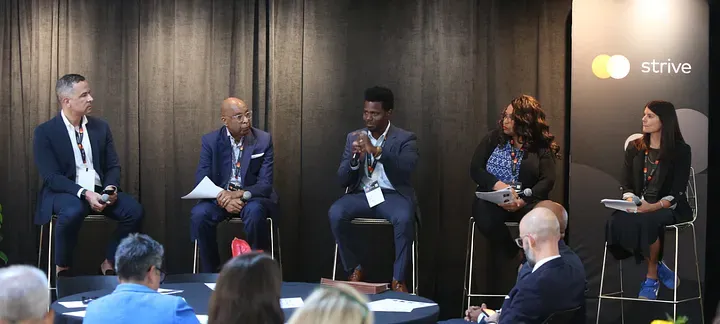
Inclusive growth for entrepreneurs in North Carolina — and beyond
This article highlights key themes and moments from the fourth Mastercard Strive USA Summit held in Raleigh, North Carolina.
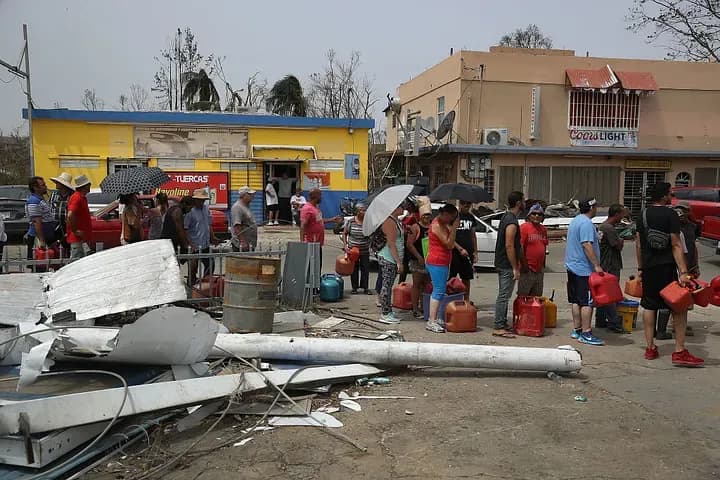
Behind the headlines: The critical role of credit unions in deploying $27 billion in federal…
Inclusiv will serve as a critical backdrop as it moves forward with its recent $1.87 billion Greenhouse Gas Reduction Fund Clean Communities Investment Accelerator grant.